Horse Breeding Excellence: How Ultrasound Supports Successful Mare Breeding at The Farm at Brookside

Mare Services

Horse breeding is both a science and an art, especially when it comes to ensuring the health and success of a mare’s pregnancy. At The Farm at Brookside, in Feeding Hills, Massachusetts, we combine time-tested horse breeding practices with advanced veterinary technology to give our mares and foals the very best start. One of the most powerful tools in modern horse breeding is ultrasound. This non-invasive imaging technology allows breeders and veterinarians to manage the reproductive health of mares with accuracy and efficiency.

In this article, we will take you inside the horse breeding process and explore the critical role that ultrasound plays in achieving healthy pregnancies. Whether you are a new owner or a seasoned breeder, understanding how and when to use ultrasound can help you make more informed decisions for your mare’s reproductive management.

Mare Services

The Foundation of Horse Breeding

Horse breeding begins with selecting suitable mares and stallions based on their conformation, temperament, performance history, and genetic potential. Once a mare is chosen for breeding, her reproductive cycle must be monitored closely. A mare’s estrous cycle typically lasts 21 days, with the estrus (heat) phase being the window of opportunity for successful conception. During this phase, the mare is receptive to the stallion, and ovulation is imminent.

Timing is everything in horse breeding. Breeding too early or too late can result in failure to conceive. That’s where reproductive management and technologies like ultrasound come into play.


Why Ultrasound is a Game Changer in Horse Breeding

Ultrasound is a key component of equine reproductive care, providing real-time, detailed images of the mare’s reproductive tract. It helps veterinarians:

  • Identify and monitor follicle development on the ovaries
  • Predict and confirm ovulation
  • Detect uterine edema, which signals readiness to breed
  • Diagnose pregnancy early and monitor fetal development
  • Detect twin pregnancies, which pose a serious risk to the mare and foal(s)

By using ultrasound, we at The Farm at Brookside can take the guesswork out of breeding decisions. With the guidance of our veterinary partners, we can optimize breeding timing and increase the chances of successful conception.


Step-by-Step: The Mare Breeding Process Using Ultrasound

1. Pre-Breeding Examination

Before a mare is bred, she undergoes a pre-breeding ultrasound exam. This allows us to assess the uterus for any fluid accumulation, cysts, or abnormalities and to evaluate the ovaries for the presence and size of follicles. A healthy uterine environment is essential for embryo implantation and development.

2. Monitoring Estrus and Follicular Development

During estrus, we perform ultrasounds to track the growth of follicles. These fluid-filled structures on the ovary house the developing egg. As ovulation approaches, the follicle enlarges and changes shape. By monitoring this progression, we can precisely time insemination.

3. Timing Ovulation/Insemination

To boost the likelihood of pregnancy, we closely monitor and manage the estrous cycle using advanced diagnostics and hormonal therapies. An ultrasound done just before or just after ovulation confirms whether the mare has released the egg and helps ensure that insemination occurs at the optimal time.

4. Insemination (Live Cover/Natural Breeding or Artificial Insemination)

Depending on the breeding method chosen, insemination occurs shortly before or after ovulation. With live cover or natural breeding, an ideal window would be within 24 hours before ovulation. With artificial insemination (AI) using frozen semen, an ideal window would be within 6 hours after ovulation. Ultrasound ensures that breeding is timed with ovulation to maximize success.

5. Post-Breeding Evaluation

After breeding, the mare may be scanned again to check for uterine inflammation or fluid accumulation. These issues can negatively impact embryo survival and are treated promptly to protect the pregnancy.

6. Pregnancy Diagnosis

Ultrasound is used to detect pregnancy as early as 14 to 16 days post-breeding. This early check also helps detect twin pregnancies, which can be dangerous.

7. Monitoring Fetal Health

Throughout the pregnancy, ultrasound helps us monitor fetal growth, position, and heartbeat. This ongoing assessment supports early detection of problems and ensures the mare receives any additional care she may need.


Twin Detection and Management

One of the most important uses of ultrasound in horse breeding is detecting twin pregnancies. While twins may sound like double the joy, they are a serious concern. Most mares cannot carry twins to term successfully. Attempting to do so can result in abortion or the death of one or both foals. Early ultrasound detection allows a veterinarian to “pinch” or manually reduce one of the embryos, usually before Day 17. This greatly improves the odds of a healthy single pregnancy.


Benefits of Using Ultrasound at The Farm at Brookside

Here at The Farm at Brookside, our commitment to excellence in horse breeding includes:

  • More precise breeding timing: We use ultrasound to monitor each mare’s cycle closely, increasing the odds of conception.
  • Early detection of problems: From infections to abnormal anatomy in the mare, ultrasound helps us address concerns before they impact the pregnancy.
  • Healthier pregnancies: With consistent fetal monitoring, we catch issues early and tailor care accordingly.

Setting Your Mare Up for Success

If you are considering starting your own breeding program, there are several things you can do to prepare your mare for success:

  • Ensure she is at a healthy weight and up-to-date on vaccinations
  • Schedule a pre-breeding veterinary examination
  • Be ready to follow a strict ultrasound monitoring schedule
  • Work with experienced professionals like the team at The Farm at Brookside

Our staff and veterinary partners are passionate about guiding horse owners through every step of the horse breeding process. We pride ourselves on transparency, education, and customized care for each mare.


The Role of the Breeding Soundness Exam (BSE)

Before the horse breeding season starts, a Breeding Soundness Exam can be helpful. This exam can include:

  • Review of the mare’s general health history and reproductive history
  • Physical exam to assess overall health, body weight, mammary glands, and the outer reproductive area
  • Rectal palpation and ultrasound to assess the reproductive tract including the vaginal area, cervix, uterus, and ovaries
  • Culture and cytology of the uterus

The exam can identify any reproductive issues early and allow us to build a breeding plan tailored to your mare’s needs. By combining this with regular ultrasounds, we can enhance the overall success of your horse breeding goals.


Why Choose The Farm at Brookside for Horse Breeding

At The Farm at Brookside, horse breeding is more than a business—it’s a calling. With years of experience, top-tier facilities, and a dedication to each mare and foal, we strive to offer a supportive, science-backed environment for equine reproduction. Our use of ultrasound technology ensures that we provide accurate assessments and quick interventions whenever necessary.

Whether you are breeding your first mare or managing an established program, our team is here to help you succeed.


Final Thoughts

Ultrasound has transformed horse breeding. It offers breeders a powerful tool to track cycles, confirm pregnancies, and monitor fetal health with precision and care. At The Farm at Brookside, we use this technology to its fullest advantage, helping mares conceive, carry, and produce healthy foals.

If you’re considering horse breeding or looking to improve your current program, contact us today. Let’s build the next generation of champions—together.

Visit us at thefarmatbrookside.com to learn more.

Sources:
Equine Reproduction Laboratory, Colorado State University. “Starting a Breeding Program with Your Mare.” vetmedbiosci.colostate.edu. 13 December 2022. https://vetmedbiosci.colostate.edu/erl/2022/12/13/starting-a-breeding-program-with-your-mare/.
Equine Reproduction Laboratory, Colorado State University. “Pregnancy Examination.” vetmedbiosci.colostate.edu. 16 November 2022. https://vetmedbiosci.colostate.edu/erl/2022/11/16/pregnancy-examination/.
Giedt, Elisabeth, Hiney, Kris. OSU Extension, Oklahoma State University. “Reproductive Management of the Mare.” extension.okstate.edu. June 2019. https://extension.okstate.edu/fact-sheets/reproductive-management-of-the-mare.html.


Welcome Jaleet SSF

Here at Brookside, we want to extend a huge thank you to Scot Tolman and Shooting Star Farm for extending us the opportunity to welcome KWPN licensed stallion Jaleet SSF to the Brookside Family! Thank you to Wim for helping get him here, we are thankful to have the opportunity to be his next chapter.

Jaleet SSF (Atleet x Plain’s Liberator) is by the Preferent stallion Atleet, and consistently produces excellent riding type horses with fantastic character. He offers an expressive, uphill canter with a natural inclination to lift into his movement with an excellent work ethic.

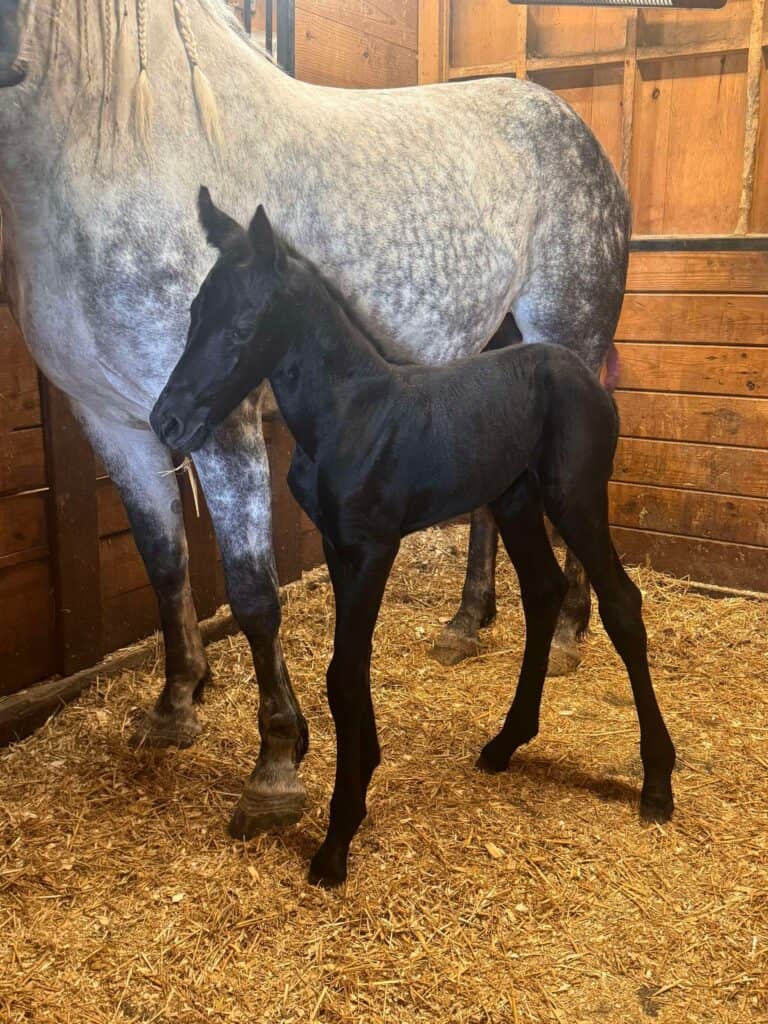
When we welcomed JO Roxanne, also from Wim Cazemier, she was in foal to Jaleet SSF. Last week she foaled a stunning filly! The quality Jaleet passes onto his foals is testament to what we look forward to adding to our breeding program.

As Jaleet settles into his new home, he will soon be available for the 2025 breeding season! Check out the website for more information and breeding contract in the upcoming days.

🌎www.thefarmatbrookside.com

📞413-519-9750

📫[email protected]

Horse Boarding Tips: 15 Smart Strategies for a Happy and Healthy Equine

Horse boarding is a valuable solution for equestrians who lack the space, resources, or time to care for a horse at home. Whether you’re a first-time horse owner or a seasoned rider, choosing the right horse boarding facility is crucial to your horse’s health, safety, and well-being. At The Farm at Brookside, we understand the significance of creating a nurturing environment for both horses and their humans. To help you make the best decisions, we’ve compiled a comprehensive guide featuring 15 essential horse boarding tips.


DM344532 Edit

1. Understand Your Horse’s Needs First

Before even stepping foot on a property, evaluate your horse’s specific needs. Does your horse need daily turnout? Is it prone to allergies and requires a low-dust environment? Is your horse social and thrives in group turnout? Tailoring your search for horse boarding around your horse’s personality, health, and training regimen can be a good first step toward a positive boarding experience.

2. Choose the Right Type of Boarding Arrangement

Horse boarding isn’t one-size-fits-all. Some popular options include:

  • Full Board: The facility usually provides feeding, turnout, stall cleaning, health monitoring, and sometimes training.
  • Partial Board: You handle some of the care responsibilities.
  • Self-Care Board: You’re responsible for all daily care, but have access to the facilities.

Evaluate what suits your lifestyle, budget, and experience level.

3. Visit Multiple Facilities

Never settle on the first facility you find. Visit several horse boarding stables in person. Observe the cleanliness, talk to staff and current boarders, and trust your instincts. The atmosphere and condition of the facility should align with your standards of care.

4. Prioritize Cleanliness and Maintenance

A clean, well-kept stable isn’t just more pleasant—it reduces the risk of illness and injury. Look for:

  • Fresh water and clean feeding areas
  • Regularly mucked stalls
  • Well-maintained fencing and pastures
  • Safe, debris-free riding arenas

First impressions matter. If a boarding facility can’t maintain a clean environment, it might not be worth your investment.

5. Assess the Turnout Conditions

Turnout is essential for a horse’s mental and physical health. When assessing a boarding facility, ask questions like:

  • How many hours of turnout are provided?
  • Are horses turned out in compatible groups?
  • Are pastures rotated to avoid overgrazing?

6. Observe Feeding Practices

Consistent, high-quality nutrition is critical. Ask about:

  • Feeding schedules and grain options
  • Hay quality and sourcing
  • Availability of special feed programs (Don’t forget to ask whether the barn allows owners to supply their own feed or supplements.)

7. Inquire about Emergency Care Protocols

Horse boarding means trusting others to care for your horse in your absence. It’s vital to ask:

  • What happens if a horse gets injured or sick?
  • Is there a vet on-call?
  • How quickly are owners contacted?
  • Are staff trained in basic first aid?

Your peace of mind depends on knowing your horse will be cared for in any situation.

8. Check Facility Security and Supervision

Horses are valuable animals, and security is a must. Look for:

  • Secure fencing and locked gates
  • Cameras or on-site personnel after hours
  • Supervision during turnout
  • Visitor policies

9. Evaluate the Arena and Training Spaces

If you ride regularly, a quality riding space is key. Ask about:

  • Arena footing and maintenance
  • Availability of jumps or trail obstacles
  • Indoor vs. outdoor options
  • Lighting for evening rides

A well-maintained riding arena shows a facility’s commitment to safety and progress.

10. Ask about the Barn Culture

Horse boarding isn’t just about the horse—it’s about the people too. Ask yourself:

  • Are boarders welcoming?
  • Is there a culture of mutual respect?
  • Are there trainers on-site or allowed in?
  • Are clinics and events offered?

The best horse boarding stables (for your horse and you) foster a community that shares your values and goals.

11. Review the Contract Carefully

Always request a boarding agreement in writing. Look for details like:

  • Monthly fees and what they include
  • Cancellation policies
  • Hours of operation
  • Liability waivers

Make sure everything is clearly outlined to avoid future misunderstandings.

12. Understand the Barn’s Schedule and Rules

Every facility has its own routines. It’s important to understand:

  • Turnout and feeding schedules
  • Quiet hours or restricted access times
  • Rules about riding, grooming, or use of shared spaces

Understanding the schedule and rules upfront can prevent conflicts and ensure you’re a good fit for the barn.

13. Talk to Other Boarders

No one gives better insights than current boarders. Ask them:

  • How long they’ve been at the facility
  • What they like most and least
  • How the management handles concerns

A happy group of boarders is usually a sign of good management and reliable horse care.

14. Plan for Seasonal Care

Consider how the barn handles extreme weather. Ask about:

  • Blanketing policies
  • Indoor riding access during winter
  • Fly control strategies for summer
  • Shelter in pastures

15. Trust Your Gut

Ultimately, your instincts matter. If something feels off during your visit or the answers you receive are vague or dismissive, consider this a red flag. A horse boarding experience should feel like a partnership, not a compromise.


Bonus Tip: Stay Involved

Even after you’ve chosen the perfect horse boarding facility, remain involved in your horse’s care. Visit frequently, communicate with staff, and monitor your horse’s condition and behavior. Boarding is a collaboration, and your active role ensures your horse gets the best possible experience.

Choosing the right horse boarding facility is one of the most important decisions you’ll make as a horse owner. Use these tips to guide your search and ensure your horse enjoys the happiest, healthiest boarding experience possible.


Why Choose The Farm at Brookside?

Located in Feeding Hills, Massachusetts, The Farm at Brookside offers limited spots for training/boarding services rooted in compassion, professionalism, and a deep respect for the equestrian lifestyle. Our facility is designed to support training of Friesians for annual inspection (keuring), training of stallions for stud collection, groundwork (foundational) training, under saddle training, behavioral modification, and training for fitness and conditioning. In addition, our facility offers limited spots for rehabilitation services for all breeds. Caring staff, top-tier amenities, and an inclusive community of fellow horse lovers are essential to the services we provide.

From carefully maintained pastures to individualized feeding programs, we go above and beyond to offer a welcoming and secure environment. When you entrust your horse to us, you’re not just a client—you’re part of the Brookside family.

Ready to schedule a visit or learn more about our horse training and horse boarding options at The Farm at Brookside? Visit thefarmatbrookside.com and connect with us today!

Sources:
McNeill, Camryn (Mad Barn). “6 Tips for Choosing a Boarding Barn for Your Horse – [Guide].” madbarn.com. 25 September 2024 (published), 31 March 2025 (updated). https://madbarn.com/how-to-choose-an-equine-boarding-facility.
Kenny, Laura (Penn State Extension). “Tips on selecting a boarding farm.” michiganfarmnews.com. 5 March 2024. https://www.michiganfarmnews.com/tips-on-selecting-a-boarding-farm.


​Horse Training Programs: A Comprehensive Guide to Equine Education and Development​

Horse training programs are essential for developing a harmonious relationship between horse and rider, enhancing the horse’s abilities, and ensuring safety and effectiveness in various equestrian disciplines. These programs range from foundational groundwork to specialized training in disciplines like dressage, jumping, and therapeutic riding.​


Horse Training Programs

Understanding Horse Training Programs

Horse training programs are structured courses designed to teach horses specific skills and behaviors. They cater to various objectives, including preparing horses for competitive sports, recreational riding, or therapeutic purposes. The programs also focus on improving the rider’s skills, ensuring a cohesive partnership between horse and human.​Wikipedia


Types of Horse Training Programs

  1. Foundational Training This initial phase focuses on basic commands, ground manners, and desensitization. Horses learn to respond to cues, leading to better control and communication. Programs like the John & Josh Lyons Certification Program emphasize safety and foundational skills, teaching students core fundamentals and groundwork applications .
  2. Discipline-Specific Training These programs specialize in preparing horses for specific equestrian sports:
    • Dressage: Emphasizes precision and grace, teaching horses to perform intricate movements.​

    • Show Jumping: Focuses on agility and speed, training horses to navigate obstacle courses.​

    • Western Riding: Includes events like reining and barrel racing, highlighting control and responsiveness.​
    Institutions like the CAEP offer training in various disciplines, including English and Western styles .
  3. Therapeutic Training Equine-assisted therapy programs train horses to work with individuals facing physical, emotional, or cognitive challenges. These programs require horses to be calm, patient, and responsive, providing therapeutic benefits to participants .

Benefits of Horse Training Programs

  • Enhanced Communication: Training fosters a deeper understanding between horse and rider, leading to improved performance.​
  • Safety: Proper training reduces the risk of accidents, ensuring both horse and rider are confident and secure.​
  • Skill Development: Riders gain valuable skills in horsemanship, discipline-specific techniques, and horse care.​
  • Career Opportunities: Comprehensive training can lead to careers in equine industries, including training, therapy, and competition.​

Choosing the Right Program

When selecting a horse training program, consider the following:

  • Goals: Identify whether you’re aiming for competitive training, recreational riding, or therapeutic work.​
  • Accreditation: Ensure the program is recognized by relevant equestrian bodies.​
  • Curriculum: Review the program’s content to match your learning objectives.​
  • Facilities and Instructors: Look for programs with experienced trainers and adequate facilities.​

Conclusion

Horse training programs are pivotal in developing skilled, responsive horses and knowledgeable riders. Whether you’re pursuing competitive excellence, therapeutic engagement, or personal growth, these programs provide the structure and expertise needed to achieve your equestrian goals.​

The Art and Science of Horse Mare Breeding: A Complete Guide

At The Farm at Brookside, we believe that breeding mares is both an art and a science—a careful balance of timing, genetics, and horsemanship. Whether you’re new to the world of horse breeding or an experienced equestrian looking to refine your program, this guide is designed to walk you through the key steps and best practices involved in horse mare breeding

Horse Mare Breeding

Why Mare Breeding Matters

The future of any breeding program starts with the mare. While stallions often get the spotlight, it’s the mare who carries the foal, passes on temperament traits, and plays a significant role in shaping the future of the breed. A thoughtfully selected and well-managed mare can produce generations of exceptional horses.

Choosing the Right Mare

Not all mares are suited for breeding. Here are a few things to consider:

  • Conformation: The mare should have balanced structure and sound movement.
  • Temperament: Calm, trainable, and sensible behavior is often inherited.
  • Performance Record: A successful show career can indicate strong genetics.
  • Reproductive History: Mares with prior successful pregnancies are preferred, though maiden mares can also be excellent candidates.

At Brookside, we work closely with owners to evaluate each mare’s potential, considering not just her pedigree but her health, history, and long-term goals for the offspring.

Timing is Everything: Understanding the Mare’s Cycle

Mares are seasonal breeders, typically cycling from early spring to late summer. Their cycle averages 21 days and is divided into two key phases:

  1. Estrus (“heat”): This is the fertile period, lasting 4–7 days.
  2. Diestrus: The non-receptive phase between heats.

Tracking a mare’s heat cycle is crucial to successful breeding. Tools like ultrasound and teasing (introducing a stallion for behavioral cues) help determine the optimal time for insemination or natural cover.

Breeding Methods

There are three main approaches to horse mare breeding:

1. Live Cover

  • The mare and stallion breed naturally.
  • Often required by some breed registries, such as The Jockey Club for Thoroughbreds.
  • Risks include injury and disease transmission but allow for immediate mating confirmation.

2. Artificial Insemination (AI)

  • Semen is collected from the stallion and inserted into the mare’s uterus.
  • Offers greater control over timing and safety.
  • Chilled or frozen semen can be shipped from top stallions around the world.

3. Embryo Transfer

  • A fertilized embryo from a donor mare is transferred into a recipient mare, who carries the foal.
  • This method allows performance mares to continue training and showing.

At Brookside, we partner with trusted reproductive veterinarians and specialists to guide clients through each method, depending on their breeding goals and the needs of their mares.

Confirming Pregnancy

About 14–16 days after ovulation, a veterinarian will perform an ultrasound to check for a successful pregnancy. Additional scans at 30 and 60 days confirm the embryo’s development and help identify twins (which are risky in horses).

During pregnancy, proper nutrition, exercise, and regular checkups are essential. Mares are pregnant for approximately 11 months (340 days), and even seasoned breeders know—foals arrive when they’re ready, not when the calendar says so!

Preparing for Foaling

As the foaling date approaches, signs like a relaxed tailhead, udder development, and waxy teats indicate the mare is getting close. We provide clean, quiet, and supervised foaling stalls here at The Farm at Brookside, offering peace of mind for mare owners.

Foaling usually occurs quickly and without assistance. However, our experienced team is ready to intervene or call for veterinary support if complications arise.

Caring for the Newborn Foal

Within the first few hours, a healthy foal should:

  • Stand and nurse
  • Pass its first manure (meconium)
  • Bond with the mare

We monitor all foals closely in their first 24–72 hours and ensure they receive a “foal check” by a veterinarian to confirm health and immunity.

Long-Term Goals: Raising Quality Horses

Successful mare breeding doesn’t stop after birth. From that first wobbly step to weaning and beyond, each foal at Brookside is given the care, socialization, and training foundation it needs to thrive.

We believe in a gentle-hand, horse-first philosophy—nurturing both the physical and emotional development of every foal. The result? Confident, well-adjusted horses with a strong start to life.


Why Choose The Farm at Brookside?

We’re more than just a breeding facility—we’re a partner in your mare’s reproductive journey. Our New Jersey-based farm offers:

  • Individualized mare management
  • Foaling services and 24/7 monitoring
  • Clean, safe breeding environments
  • Access to leading reproductive vets and AI services
  • A quiet, stress-free setting for mares and foals

Whether you’re breeding for the show ring, the trail, or your own legacy, we’re here to make the process smooth, successful, and joyful.


Ready to Begin Your Mare’s Breeding Journey?

Let’s talk about your goals, your mare, and how we can help bring your vision to life. Contact us today or schedule a visit to The Farm at Brookside—where excellence begins before the foal is even born.

📞 Call us | 📧 Email us | 🌐 thefarmatbrookside.com

Friesian Stallion Breeding: A Comprehensive Guide

Introduction to Friesian Stallion Breeding

Your one stop shop for Friesian Stallion Breeding. Friesian stallions are among the most sought-after breeding horses in the world, known for their striking black coats, powerful builds, and regal presence. Originating from the Netherlands, these horses have long been prized for their versatility, excelling in disciplines such as dressage, driving, and even film and television productions. Breeding a Friesian stallion requires careful selection, detailed knowledge of genetics, and a deep understanding of the breed’s standards to ensure the continued quality of the lineage.

Friesian Stallion Breeding

Selecting a Friesian Stallion for Breeding

Choosing the right stallion for breeding is one of the most critical decisions in ensuring the quality of the next generation. A top-tier Friesian stallion should exhibit the following traits:

  • Conformation: Strong, muscular build with a well-arched neck, deep chest, and straight legs.
  • Movement: Graceful, fluid movements with excellent suspension and power.
  • Temperament: Gentle, trainable, and intelligent disposition.
  • Health and Fertility: Good overall health, free from genetic disorders, and high fertility rates.
  • Pedigree and Lineage: A proven lineage with successful ancestors in sport and breeding.

Many breeders refer to the KFPS (Koninklijke Vereniging Het Friesch Paarden-Stamboek) registry to ensure their chosen stallion meets the breed’s strict standards.

The Breeding Process

The breeding process with Friesian stallions follows a detailed protocol to maximize success rates and maintain the integrity of the breed.

1. Pre-Breeding Evaluation

Before breeding, both the stallion and the mare should undergo comprehensive health checks, including:

  • Semen analysis for the stallion to assess motility and sperm count.
  • Genetic testing to rule out hereditary diseases such as dwarfism and hydrocephalus.
  • Vaccinations and deworming to prevent disease transmission.

2. Choosing the Right Mare

The mare should complement the stallion’s strengths and address any weaknesses. Ideal Friesian mares share the same high standards in conformation, movement, and temperament.

3. Methods of Breeding

Friesian stallions can breed using different methods, each with its advantages:

  • Live Cover: The traditional method, ensuring natural selection but requiring careful monitoring.
  • Artificial Insemination (AI): The most common method for Friesians, allowing controlled breeding and the ability to transport semen worldwide.
  • Embryo Transfer: Less common but allows high-quality mares to produce multiple foals per year.

Pregnancy and Foal Development

Once a mare is successfully bred, pregnancy lasts approximately 11 months. Regular veterinary check-ups, proper nutrition, and exercise are crucial for a healthy foal. Upon birth, Friesian foals should receive immediate veterinary care, proper socialization, and careful handling to ensure their development into well-adjusted horses.

Friesian Stallion Breeding Licensing and Approval

Stallions intended for breeding must undergo a rigorous licensing process by the KFPS. This includes:

  • Preliminary Inspection: Evaluating conformation and movement.
  • Performance Testing: Assessing abilities in dressage, driving, and temperament.
  • Veterinary Examination: Screening for hereditary diseases and overall health.

Only a select few stallions receive full breeding approval, ensuring only the best genetics are passed down.

About The Farm at Brookside

The Farm at Brookside, located in New Jersey, is a premier equestrian facility dedicated to breeding, training, and caring for some of the finest Friesian horses. With a deep passion for preserving the heritage and excellence of the Friesian breed, The Farm at Brookside provides top-tier breeding services, ensuring the highest quality foals. Our commitment to exceptional care, meticulous breeding selection, and adherence to KFPS standards make us a trusted name in the Friesian community.

Conclusion

Friesian stallion breeding is an art that requires dedication, knowledge, and careful planning. By adhering to strict breeding standards, selecting top-quality stallions, and ensuring proper care, breeders can contribute to the continued excellence of the Friesian breed. With its majestic presence and historical significance, the Friesian horse remains one of the most cherished breeds in the equestrian world.

We Are Hiring

Now hiring!

𝐁𝐫𝐞𝐞𝐝𝐢𝐧𝐠 𝐓𝐞𝐜𝐡 & 𝐁𝐚𝐫𝐧 𝐀𝐬𝐬𝐢𝐬𝐭𝐚𝐧𝐭

As we continue to grow, we require additional barn and breeding staff. We are an active breeding and foaling facility.

This position does require barn chores.

Some of the responsibilities include assisting with regular grooming and braiding, cleaning 30 +/- stalls and pastures and maintaining a clean barn, turn in/out as needed, watering, feeding, stacking barns with hay and shavings. Must be able to lift bales of hay (50 lbs) and shavings. 𝐌𝐔𝐒𝐓 have experience handling horses.

📍Someone with knowledge of breeding and foaling (ultrasounding, insemination, stallion collecting and processing- including live cover) is preferred and expected. Further education can be provided but a solid foundation is necessary.

MUST have transportation and be reliable, able to take direction, work independently, demonstrate time management and prioritization, as well as comfortably handle a variety of large size breeding stallions, foals, mares and geldings.

Hours are somewhat negotiable, starting 8:00 am. Availability during the weekend is also a bonus! Interview is required. Weekly paychecks. Housing is available for the right candidate.

Not currently accepting applicants outside of the US

Salary is dependent upon level of experience.

Unlocking Immortality: How Semen Freezing Can Preserve Your Stallion’s Legacy Forever!

Frozen Semen & Storage

Semen freezing, or cryopreservation, is a pivotal technique in equine reproduction, offering numerous benefits for stallion owners, breeders, and the broader equine industry. This process involves collecting stallion semen, processing it with specialized extenders, and storing it at ultra-low temperatures using liquid nitrogen. Properly cryopreserved semen can remain viable indefinitely, allowing for future use in breeding programs.

The Farm at Brookside’s Frozen Semen Services

At The Farm at Brookside, we recognize the importance of preserving valuable equine genetics. Our state-of-the-art facility offers comprehensive frozen semen storage services, ensuring that stallion owners have peace of mind knowing their stallion’s genetics are securely stored for future breeding opportunities.

Semen Freezing

Advantages of Semen Freezing

  1. Extended Genetic Legacy: Cryopreservation allows stallion owners to preserve their horse’s genetics beyond the animal’s lifespan, ensuring the continuation of desirable traits in future generations.
  2. Global Breeding Opportunities: Frozen semen can be transported worldwide without the constraints of time-sensitive shipping, enabling breeders to access genetics from international stallions.
  3. Concurrent Performance and Breeding Careers: Stallions can continue their performance careers without interruption, as semen can be collected and frozen during off-peak times, eliminating the need to choose between competition and breeding.
  4. Disease Control: The freezing process includes rigorous health screenings, reducing the risk of transmitting infectious diseases during breeding.
  5. Emergency Backup: In unforeseen circumstances such as injury, illness, or death, having frozen semen ensures that a stallion’s genetic material remains available for future breeding.

The Semen Freezing Process

The cryopreservation of stallion semen involves several meticulous steps to ensure the viability of sperm cells post-thaw:

  1. Semen Collection: Using an artificial vagina, semen is collected from the stallion. The sample is then evaluated for volume, concentration, motility, and morphology.
  2. Extension and Centrifugation: The semen is diluted with a specialized extender containing nutrients and cryoprotectants. It’s then centrifuged to concentrate the sperm cells and remove seminal plasma, which can be detrimental during freezing.
  3. Cryoprotectant Addition: After centrifugation, the sperm pellet is resuspended in a cryoextender containing cryoprotective agents like glycerol to protect sperm cells during freezing.
  4. Packaging: The extended semen is loaded into straws, which are sealed and labeled for identification.
  5. Cooling and Freezing: The straws are gradually cooled to 5°C and then frozen using either programmable freezers or liquid nitrogen vapor methods.
  6. Storage: Once frozen, the semen straws are stored in liquid nitrogen tanks at -196°C, where they can remain viable indefinitely.

Considerations and Challenges

While semen freezing offers numerous advantages, there are considerations to keep in mind:

  • Variable Freezability: Not all stallions’ semen freezes equally well. Some may experience reduced post-thaw motility and fertility rates.
  • Mare Management: Breeding with frozen semen requires precise timing relative to ovulation, necessitating intensive monitoring and veterinary intervention.
  • Initial Costs: The process of freezing semen involves upfront costs for collection, processing, and storage. However, these can be offset by the long-term benefits and flexibility offered.

About The Farm at Brookside

Nestled in the heart of a picturesque countryside, The Farm at Brookside has long been a sanctuary for equine excellence. With decades of experience in animal husbandry and advanced reproductive techniques, our facility stands as a beacon of innovation and care in the world of horse breeding. We pride ourselves on our commitment to preserving the genetic legacy of some of the finest stallions, ensuring that their superior traits are passed on to future generations.

At The Farm at Brookside, our state-of-the-art frozen semen storage services are designed to meet the diverse needs of both stallion owners and breeders. Our meticulously maintained cryopreservation process ensures that every sample is handled with the utmost precision and care. From the initial semen collection to the final storage in ultra-cold liquid nitrogen tanks, each step is conducted under strict quality control protocols. This guarantees that your stallion’s invaluable genetic material remains viable, secure, and ready for use when the time is right.

Beyond our technical expertise, The Farm at Brookside is defined by our passion for equine welfare and excellence. Our facility is staffed by a team of seasoned professionals who are dedicated not only to the science of breeding but also to the overall health and well-being of the horses in our care. We work closely with breeders to provide personalized guidance, ensuring that every decision—from semen collection to insemination—is informed by best practices and the latest advancements in equine reproductive technology.

Whether you’re looking to extend the breeding career of a top-performing stallion, enhance your breeding program with superior genetics, or simply safeguard your stallion’s legacy for future generations, The Farm at Brookside offers unparalleled expertise and support. Our commitment to quality, innovation, and excellence makes us the trusted choice for frozen semen storage and advanced reproductive services in the equine industry.

Embrace the future of horse breeding with confidence and security, knowing that The Farm at Brookside is here to help you unlock the full potential of your stallion’s genetic legacy.

Conclusion

Semen freezing stands as a cornerstone of modern equine reproductive management, offering unparalleled flexibility, security, and opportunities for genetic dissemination. At The Farm at Brookside, we are committed to providing top-tier frozen semen storage services, ensuring that your stallion’s legacy endures for generations to come.

In Search of Surrogate Mares

The Farm at Brookside is looking for 1-2 surrogate mares for the upcoming breeding season. Mare must have had previous foals with no issues being bred or foaling. We are not age specific.

We would prefer a year free lease and we will cover all expenses and they must be health.

Please contact us at [email protected] or 413-519-9750 with details.

Everything You Need to Know About Frozen Semen and Storage at The Farm at Brookside

Onsite Shipping Services

Frozen semen storage is a critical aspect of modern equine breeding programs. Whether you are looking to preserve the genetic legacy of a champion stallion or ensure access to quality semen for future breeding, proper storage and handling are essential. At The Farm at Brookside, we specialize in providing top-tier frozen semen storage solutions, ensuring the highest quality preservation and care for valuable equine genetics.

Frozen Semen

Why Choose Frozen Semen?

The use of frozen semen in horse breeding has revolutionized the industry, offering breeders flexibility, improved genetics, and access to superior stallions worldwide. Some of the key benefits of frozen semen include:

1. Extended Genetic Legacy

  • Frozen semen allows stallion owners to continue breeding long after a stallion has retired or passed away, preserving their legacy for future generations.

2. Global Accessibility

  • With frozen semen, breeders can access top-quality genetics from around the world without requiring the stallion to be physically present.

3. Flexible Breeding Schedules

  • Unlike fresh or cooled semen, which must be used quickly, frozen semen can be stored indefinitely and used when the mare is ready.

4. Improved Biosecurity

  • Frozen semen reduces the risk of disease transmission compared to live cover breeding.

How Frozen Semen is Stored

Proper storage is essential to maintain the viability of frozen semen. The Farm at Brookside offers state-of-the-art facilities to ensure optimal preservation. Here’s what goes into the process:

Cryogenic Storage

Frozen semen is stored in liquid nitrogen tanks at temperatures of approximately -196°C (-320°F). This deep-freeze environment prevents cellular degradation and keeps sperm viable for decades.

Straw or Pellet Storage

The semen is packaged into small straws or pellets, which are carefully labeled with identifying information, including stallion details, collection date, and batch numbers.

Regular Monitoring & Inventory Management

Our facility maintains strict protocols for monitoring tank levels, ensuring consistent temperature control, and preventing loss due to evaporation or equipment failure. We also keep detailed records of stored semen, making it easy for breeders to track their inventory.

The Farm at Brookside’s Frozen Semen Storage Services

At The Farm at Brookside, we pride ourselves on offering comprehensive frozen semen storage solutions tailored to the needs of stallion owners and breeders. Our services include:

Secure Long-Term and Short-Term Storage

Whether you need to store semen for a breeding season or for decades to come, our facility is equipped to handle both short- and long-term storage needs with the highest level of security.

Professional Handling & Distribution

We ensure that semen is handled professionally at every stage—from initial storage to packaging and shipment for breeding purposes.

Customized Storage Solutions

Our team works closely with clients to customize storage plans that best suit their breeding goals and financial considerations.

Emergency Backup & Redundancy

To prevent potential losses due to equipment failure, we maintain redundant storage systems and emergency response plans.

Best Practices

While frozen semen provides unparalleled flexibility, breeders should follow best practices to maximize success rates:

1. Work with a Qualified Reproductive Specialist

Using frozen semen requires precise timing and veterinary expertise to ensure optimal conception rates.

2. Use Proper Thawing Techniques

Frozen semen must be thawed using specific protocols to maintain sperm motility and viability.

3. Time Insemination Accurately

Mares should be closely monitored for ovulation, as the fertility window for frozen semen is shorter than for fresh semen.

4. Maintain Accurate Records

Keep detailed records of semen batches, thawing procedures, and breeding attempts to track success rates and improve future breeding strategies.

Frequently Asked Questions (FAQ)

How long can frozen semen be stored?

Frozen semen can be stored indefinitely as long as it remains in properly maintained liquid nitrogen storage.

Does using it affect fertility rates?

While conception rates for frozen semen are slightly lower than fresh semen, success rates are high when proper breeding techniques and timing are used.

What is the cost?

Storage costs vary based on the duration and volume of semen stored. The Farm at Brookside offers competitive pricing and customized storage plans.

Can I transport to another location?

Yes, frozen semen can be safely transported in nitrogen shipping containers. Our team can assist with shipment logistics to ensure safe and timely delivery.

What happens if the storage tanks lose power?

Our facility has redundant systems in place, including backup tanks and emergency protocols, to ensure the continued preservation of stored semen.

Can it be used with all mares?

Most mares can successfully conceive using frozen semen, though individual fertility factors and proper breeding management play a crucial role.

Conclusion

Frozen semen storage is an invaluable tool for modern breeders, providing flexibility, security, and access to world-class genetics. At The Farm at Brookside, we take pride in offering premier frozen semen storage services, ensuring that your stallion’s legacy is preserved for generations to come.

If you’re interested in learning more about our frozen semen storage solutions or would like to set up a consultation, contact us today!