


Table of Contents
Horse breeding is both a science and an art, especially when it comes to ensuring the health and success of a mare’s pregnancy. At The Farm at Brookside, in Feeding Hills, Massachusetts, we combine time-tested horse breeding practices with advanced veterinary technology to give our mares and foals the very best start. One of the most powerful tools in modern horse breeding is ultrasound. This non-invasive imaging technology allows breeders and veterinarians to manage the reproductive health of mares with accuracy and efficiency.
In this article, we will take you inside the horse breeding process and explore the critical role that ultrasound plays in achieving healthy pregnancies. Whether you are a new owner or a seasoned breeder, understanding how and when to use ultrasound can help you make more informed decisions for your mare’s reproductive management.
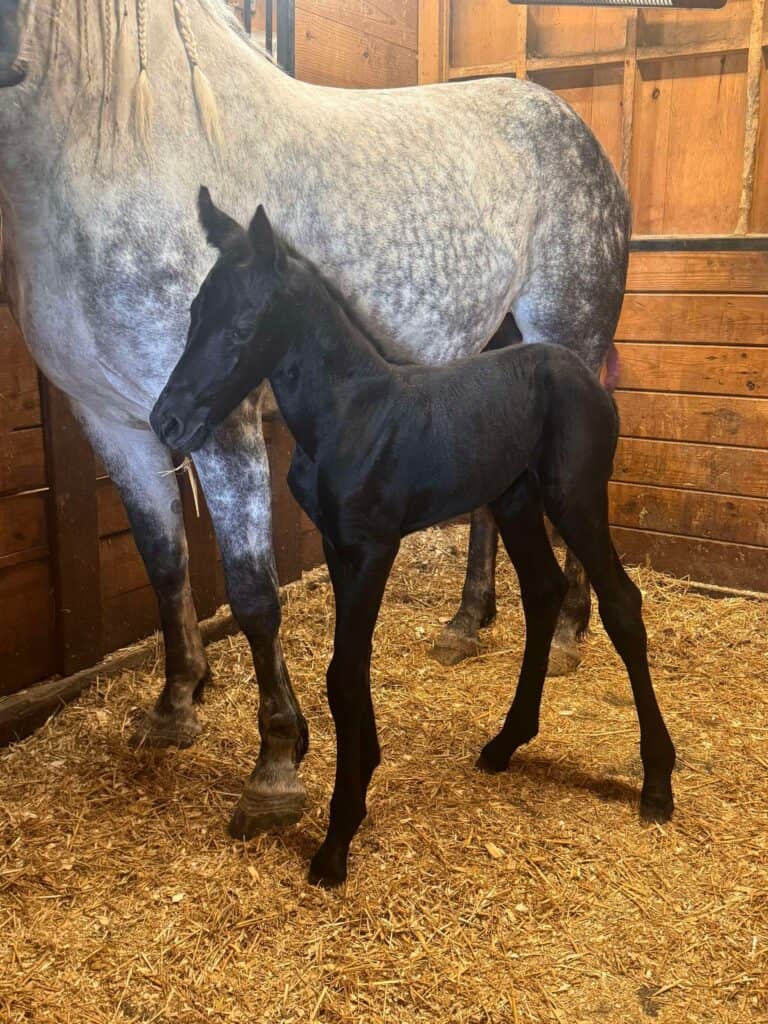
The Foundation of Horse Breeding
Horse breeding begins with selecting suitable mares and stallions based on their conformation, temperament, performance history, and genetic potential. Once a mare is chosen for breeding, her reproductive cycle must be monitored closely. A mare’s estrous cycle typically lasts 21 days, with the estrus (heat) phase being the window of opportunity for successful conception. During this phase, the mare is receptive to the stallion, and ovulation is imminent.
Timing is everything in horse breeding. Breeding too early or too late can result in failure to conceive. That’s where reproductive management and technologies like ultrasound come into play.
Why Ultrasound is a Game Changer in Horse Breeding
Ultrasound is a key component of equine reproductive care, providing real-time, detailed images of the mare’s reproductive tract. It helps veterinarians:
- Identify and monitor follicle development on the ovaries
- Predict and confirm ovulation
- Detect uterine edema, which signals readiness to breed
- Diagnose pregnancy early and monitor fetal development
- Detect twin pregnancies, which pose a serious risk to the mare and foal(s)
By using ultrasound, we at The Farm at Brookside can take the guesswork out of breeding decisions. With the guidance of our veterinary partners, we can optimize breeding timing and increase the chances of successful conception.
Step-by-Step: The Mare Breeding Process Using Ultrasound
1. Pre-Breeding Examination
Before a mare is bred, she undergoes a pre-breeding ultrasound exam. This allows us to assess the uterus for any fluid accumulation, cysts, or abnormalities and to evaluate the ovaries for the presence and size of follicles. A healthy uterine environment is essential for embryo implantation and development.
2. Monitoring Estrus and Follicular Development
During estrus, we perform ultrasounds to track the growth of follicles. These fluid-filled structures on the ovary house the developing egg. As ovulation approaches, the follicle enlarges and changes shape. By monitoring this progression, we can precisely time insemination.
3. Timing Ovulation/Insemination
To boost the likelihood of pregnancy, we closely monitor and manage the estrous cycle using advanced diagnostics and hormonal therapies. An ultrasound done just before or just after ovulation confirms whether the mare has released the egg and helps ensure that insemination occurs at the optimal time.
4. Insemination (Live Cover/Natural Breeding or Artificial Insemination)
Depending on the breeding method chosen, insemination occurs shortly before or after ovulation. With live cover or natural breeding, an ideal window would be within 24 hours before ovulation. With artificial insemination (AI) using frozen semen, an ideal window would be within 6 hours after ovulation. Ultrasound ensures that breeding is timed with ovulation to maximize success.
5. Post-Breeding Evaluation
After breeding, the mare may be scanned again to check for uterine inflammation or fluid accumulation. These issues can negatively impact embryo survival and are treated promptly to protect the pregnancy.
6. Pregnancy Diagnosis
Ultrasound is used to detect pregnancy as early as 14 to 16 days post-breeding. This early check also helps detect twin pregnancies, which can be dangerous.
7. Monitoring Fetal Health
Throughout the pregnancy, ultrasound helps us monitor fetal growth, position, and heartbeat. This ongoing assessment supports early detection of problems and ensures the mare receives any additional care she may need.
Twin Detection and Management
One of the most important uses of ultrasound in horse breeding is detecting twin pregnancies. While twins may sound like double the joy, they are a serious concern. Most mares cannot carry twins to term successfully. Attempting to do so can result in abortion or the death of one or both foals. Early ultrasound detection allows a veterinarian to “pinch” or manually reduce one of the embryos, usually before Day 17. This greatly improves the odds of a healthy single pregnancy.
Benefits of Using Ultrasound at The Farm at Brookside
Here at The Farm at Brookside, our commitment to excellence in horse breeding includes:
- More precise breeding timing: We use ultrasound to monitor each mare’s cycle closely, increasing the odds of conception.
- Early detection of problems: From infections to abnormal anatomy in the mare, ultrasound helps us address concerns before they impact the pregnancy.
- Healthier pregnancies: With consistent fetal monitoring, we catch issues early and tailor care accordingly.
Setting Your Mare Up for Success
If you are considering starting your own breeding program, there are several things you can do to prepare your mare for success:
- Ensure she is at a healthy weight and up-to-date on vaccinations
- Schedule a pre-breeding veterinary examination
- Be ready to follow a strict ultrasound monitoring schedule
- Work with experienced professionals like the team at The Farm at Brookside
Our staff and veterinary partners are passionate about guiding horse owners through every step of the horse breeding process. We pride ourselves on transparency, education, and customized care for each mare.
The Role of the Breeding Soundness Exam (BSE)
Before the horse breeding season starts, a Breeding Soundness Exam can be helpful. This exam can include:
- Review of the mare’s general health history and reproductive history
- Physical exam to assess overall health, body weight, mammary glands, and the outer reproductive area
- Rectal palpation and ultrasound to assess the reproductive tract including the vaginal area, cervix, uterus, and ovaries
- Culture and cytology of the uterus
The exam can identify any reproductive issues early and allow us to build a breeding plan tailored to your mare’s needs. By combining this with regular ultrasounds, we can enhance the overall success of your horse breeding goals.
Why Choose The Farm at Brookside for Horse Breeding
At The Farm at Brookside, horse breeding is more than a business—it’s a calling. With years of experience, top-tier facilities, and a dedication to each mare and foal, we strive to offer a supportive, science-backed environment for equine reproduction. Our use of ultrasound technology ensures that we provide accurate assessments and quick interventions whenever necessary.
Whether you are breeding your first mare or managing an established program, our team is here to help you succeed.
Final Thoughts
Ultrasound has transformed horse breeding. It offers breeders a powerful tool to track cycles, confirm pregnancies, and monitor fetal health with precision and care. At The Farm at Brookside, we use this technology to its fullest advantage, helping mares conceive, carry, and produce healthy foals.
If you’re considering horse breeding or looking to improve your current program, contact us today. Let’s build the next generation of champions—together.
Visit us at thefarmatbrookside.com to learn more.
Sources:
Equine Reproduction Laboratory, Colorado State University. “Starting a Breeding Program with Your Mare.” vetmedbiosci.colostate.edu. 13 December 2022. https://vetmedbiosci.colostate.edu/erl/2022/12/13/starting-a-breeding-program-with-your-mare/.
Equine Reproduction Laboratory, Colorado State University. “Pregnancy Examination.” vetmedbiosci.colostate.edu. 16 November 2022. https://vetmedbiosci.colostate.edu/erl/2022/11/16/pregnancy-examination/.
Giedt, Elisabeth, Hiney, Kris. OSU Extension, Oklahoma State University. “Reproductive Management of the Mare.” extension.okstate.edu. June 2019. https://extension.okstate.edu/fact-sheets/reproductive-management-of-the-mare.html.

